Now shipping nationwide • Free guides & recipes

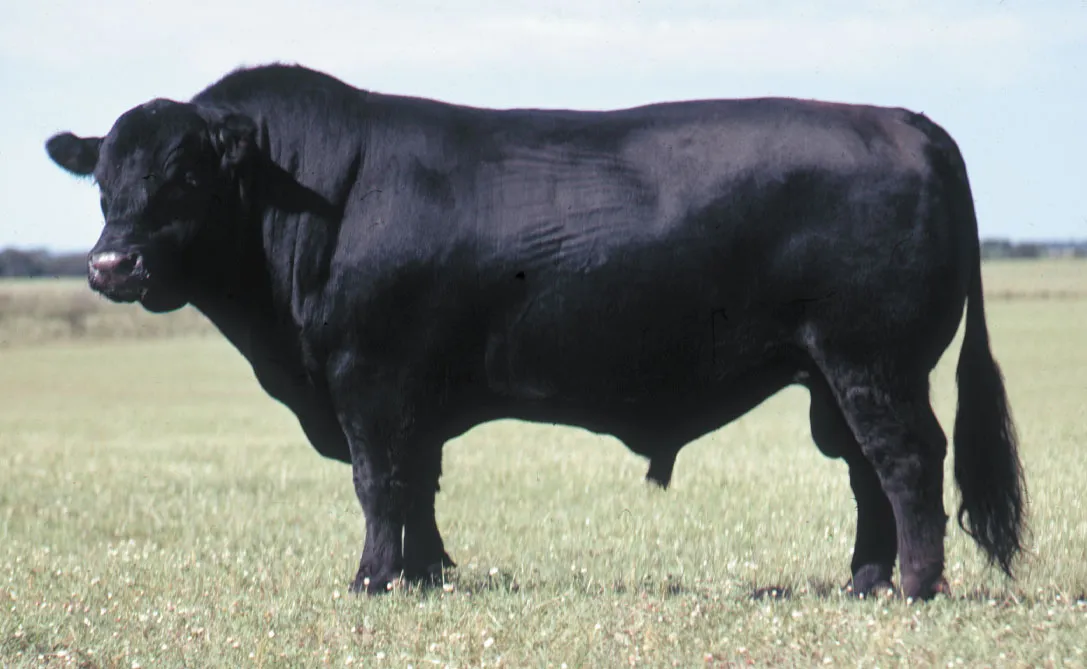
Breed Profiles in Plain English: Angus, Hereford, and Akaushi/Wagyu

Cattle breed affects how your steak eats—flavor, tenderness, marbling, and sometimes price. This guide breaks down three names you’ll see a lot in U.S. butcher cases and menus, minus the jargon.
TL;DR (Quick Take)
- Angus: Well-marbled, classic “steakhouse” flavor. Reliable, widely available, great value at Choice/Prime.
- Hereford: Beefy, balanced, often a touch leaner than top Angus programs. Great everyday steaks and roasts.
- Akaushi/Wagyu: Ultra-marbled, buttery, luxurious. Rich enough that smaller portions satisfy; usually pricier.
Big idea: Breed sets the ceiling, but the label that most predicts eating quality is the grade (marbling)—Prime > Choice > Select—plus feed, aging, and how you cook it.
Breed vs. Grade vs. Feed (What Matters Most)
- Breed = genetics (Angus, Hereford, Akaushi/Wagyu).
- Grade = marbling level (USDA Prime/Choice/Select, or Japanese BMS scale).
- Feed & Finish = grass-fed vs. grain-finished, days on feed. Grain finishing typically boosts marbling and “buttery” flavor.
- Aging = dry-aged is nutty/concentrated; wet-aged is clean and beefy.
Translation: A Choice Angus strip can beat a Select Wagyu cross if it simply has more and better-distributed marbling.
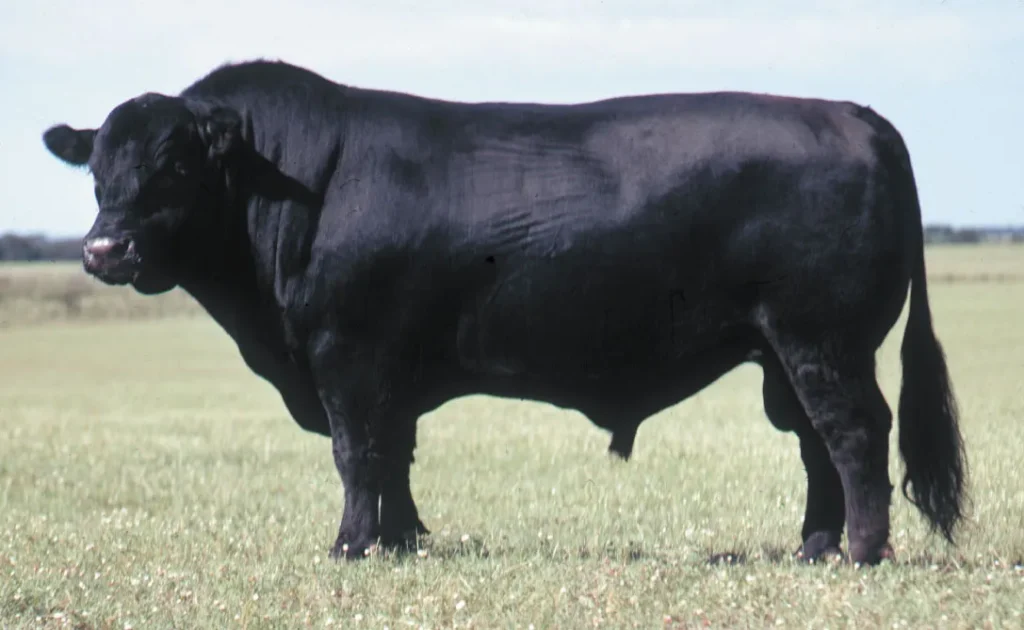
Angus (Black Angus)
What it is: A British breed famous for consistent marbling and a round, “steakhouse” flavor. It dominates premium U.S. beef programs.
What it tastes like: Rich, balanced beef with a tender bite—especially in ribeye and strip.
Buying tips:
- Look for USDA Choice or Prime for reliable juiciness.
- You’ll also see branded programs (e.g., “Angus” lines). Some add specs beyond USDA grade to tighten quality—not all black-hided cattle qualify.
Best cuts to try: Ribeye, strip, flat iron, chuck eye.
Cooking notes: Works with any method. Two-zone grilling or cast-iron sear + butter baste delivers that steakhouse crust.
Value meter: ⭐⭐⭐⭐ (widely available, strong bang for buck)
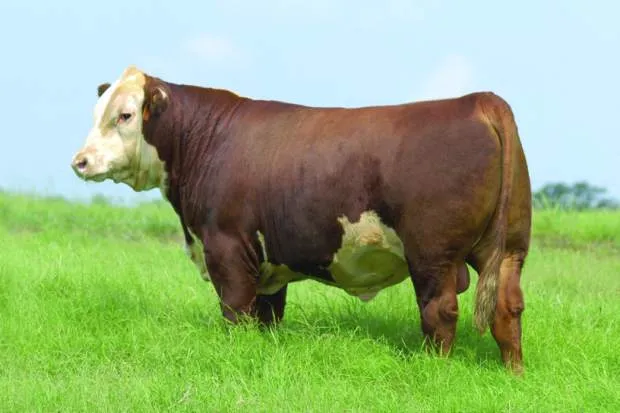
Hereford
What it is: Another British breed, red body with a white face. Known for good disposition on the ranch and balanced beef flavor on the plate.
What it tastes like: Classic beefiness with a slightly cleaner, leaner impression than top-end Angus programs (general trend, not a rule).
Buying tips:
- Seek Choice or Prime and judge by the fleck size and even spread of marbling across the steak face.
- Great everyday value, especially for roasts and weeknight steaks.
Best cuts to try: Strip, sirloin cap (picanha-style), tri-tip, Denver.
Cooking notes: High-heat grill or cast iron; finish fat caps directly over heat to crisp.
Value meter: ⭐⭐⭐⭐⭐ (often priced well for the eating quality)
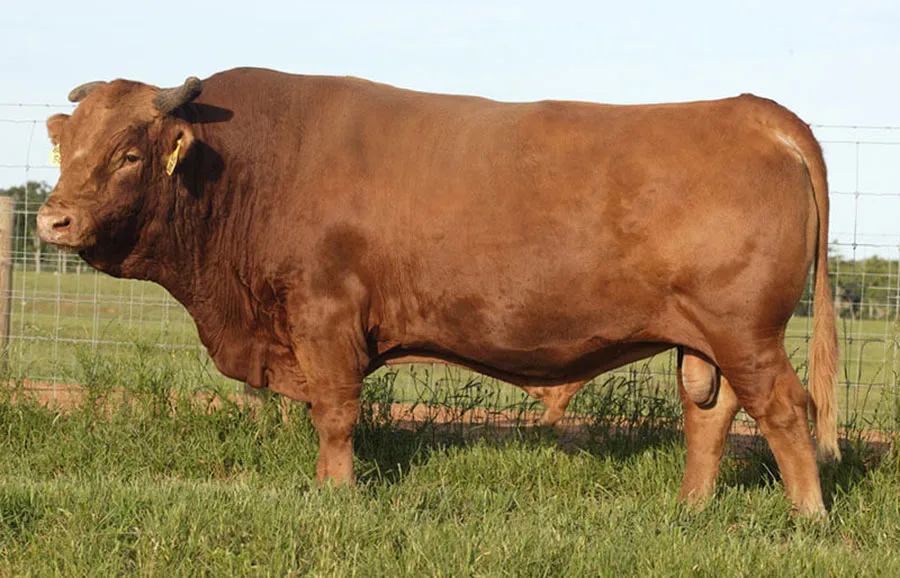
Akaushi / Wagyu
What it is:
- Wagyu = umbrella term for several Japanese breeds known for extreme marbling; the most common globally is Japanese Black.
- Akaushi (a.k.a. Japanese Brown/Kumamoto) is one of the Wagyu breeds. In the U.S., you’ll often see “American Wagyu”—typically a Wagyu × Angus cross for marbling + beefiness.
- True imported Japanese A4/A5 wagyu uses the BMS (Beef Marbling Standard) scale (3–12). A5 is the richest.
What it tastes like: Buttery, ultra-juicy, delicate texture. The fat melts low and floods the bite with richness.
Buying tips:
- Expect higher prices. For a steak-night upgrade, American Wagyu (crossbred) ribeye or strip is a sweet spot—more marbling than typical Angus, more “steak” chew than A5.
- For ultra-luxury, small A5 portions (3–5 oz per person) go a long way.
Best cuts to try: Ribeye, strip, bavette/flap (wonderful marbling), Denver.
Cooking notes: Keep it medium-rare (130–135°F / 54–57°C) pull temp and don’t over-sear—you want a lacquered crust without rendering away all that delicate fat. Reverse-sear shines here.
Value meter: ⭐⭐–⭐⭐⭐⭐ (pricey but memorable; “American Wagyu” offers a middle ground)
Safety note: USDA guidance for whole-muscle beef is 145°F (63°C) with a rest. Many steak lovers pull earlier for quality—choose based on your preference and risk tolerance.
Side-by-Side: Plain-English Comparison
| Trait | Angus | Hereford | Akaushi/Wagyu |
|---|---|---|---|
| General profile | Rich, classic steakhouse | Beefy, balanced, often a bit leaner | Ultra-marbled, buttery |
| Marbling (typical) | Moderate → high (esp. Prime) | Moderate (can be high in top programs) | High → extreme (varies by cross/grade) |
| Texture | Tender with a satisfying chew | Clean, slightly firmer at same grade | Silky, almost custardy at high grades |
| Flavor notes | Round, savory, “buttery” | Straightforward beefy, clean finish | Luxurious, sweet-fat richness |
| Great cuts | Ribeye, strip, flat iron | Strip, sirloin cap, tri-tip | Ribeye, strip, bavette, Denver |
| Cooking sweet spot | Two-zone grill or cast-iron sear | Hot grill; crisp the fat cap | Reverse-sear; careful high-heat finish |
| Price tendency | $–$$$ | $–$$ | $$–$$$$$ |
What the Labels Don’t Tell You (But Matter)
- “Angus,” “Hereford,” “Wagyu” on a label doesn’t guarantee a specific USDA grade. Always check the grade.
- “American Wagyu” usually means crossbred (often Wagyu × Angus). That’s good news for flavor and value—just don’t expect A5 richness.
- Marbling pattern matters. Fine, evenly spread flecks beat big waxy blobs in one corner.
- Thickness counts. For steaks, 1¼–1½ in (3–4 cm) gives you crust without overcooking.
Cooking Playbooks by Breed
Angus – Cast-Iron Sear
- Pat dry, salt/pepper. 2) Ripping-hot skillet + neutral oil. 3) 2–3 min/side. 4) Butter, garlic, thyme baste 60–90 sec. 5) Pull at 130–135°F for medium-rare; rest 5–10 min.
Hereford – Grill with Crisped Fat Cap
- Score fat cap lightly. 2) Sear fat-cap side over direct heat to render. 3) Move to indirect and finish to temp. 4) Quick final kiss on direct for crust.
Akaushi/American Wagyu – Reverse-Sear
- Indirect/oven 225–275°F (107–135°C) to 10–15°F below target. 2) Short, fierce sear (45–90 sec/side). 3) Rest. Avoid long direct exposure that melts too much fat.
Buying Checklist (Works for Any Breed)
- Grade first: Prime > Choice > Select.
- Marbling shape: fine and even across the steak face.
- Color & trim: bright, minimal purge, tidy fat cap.
- Thickness: 1¼–1½ in for control.
- Plan portions: Wagyu-rich steaks satisfy with smaller portions.
Frequently Asked Questions
Is “Certified Angus” just marketing?
It’s a brand spec layered on top of USDA grading—stricter sorting than generic “Angus.” It doesn’t mean every Angus animal qualifies; it’s a quality program, not just a breed claim.
Is Hereford always leaner than Angus?
Not always. It depends on grade, feed, and program. Many Hereford steaks have excellent marbling; judge the steak in front of you.
Is American Wagyu the same as Japanese A5?
No. American Wagyu is usually a cross (e.g., Wagyu × Angus), designed for higher marbling and a familiar steak texture. A5 is purebred Japanese Wagyu with extreme marbling and a very rich, delicate texture.
Which should I buy for first-time “fancy” steak night?
Try an American Wagyu ribeye or strip: a noticeable marbling upgrade without the intensity (and price) of A5.
Does grass-fed vs. grain-finished matter more than breed?
For flavor and marbling, finish matters a lot. Grain finishing tends to boost marbling and that buttery profile; grass-fed is usually leaner with brighter, minerally notes.
What’s the best doneness for Wagyu?
Most people enjoy medium-rare (130–135°F / 54–57°C) to showcase the fat. Ultra-marbled A5 is often served in small, quick-seared slices.
Do these breed rules apply to burgers?
Yes, but less dramatically. Grind ratio (80/20, etc.) and fat quality matter most. Wagyu blends are juicy; Angus/Hereford blends are excellent everyday choices.
How do I avoid flare-ups with rich steaks?
Use a two-zone fire. Sear over direct heat, then finish on indirect. Keep a drip pan under the cool side.
Bottom Line
If you want reliable richness, grab Angus at Choice/Prime. For classic beef on a budget, Hereford is a gem. For a treat-night upgrade, try Akaushi/American Wagyu—small portions, huge impact.